
Home Life, Organized and Effortless

From Chaos to Clarity: Designing the Nerve Center
Calendars That Keep Everyone Moving
Routines That Run the House When You’re Busy


Home Scenes, Sensors, and Triggers

Bills, Errands, and Digital Paperwork
Family Communication Without the Friction
Message Board and Micro-Rituals
Place a magnetic board near the most used doorway with three columns: incoming, in progress, done. Add a daily two-minute standup after dinner to move items and clarify owners. Keep markers, tape, and a small inbox tray ready. Post family agreements about response times. The ritual’s brevity matters; consistency, not duration, builds the muscle that keeps everything naturally moving forward.
Shared Lists for Meals and Shopping
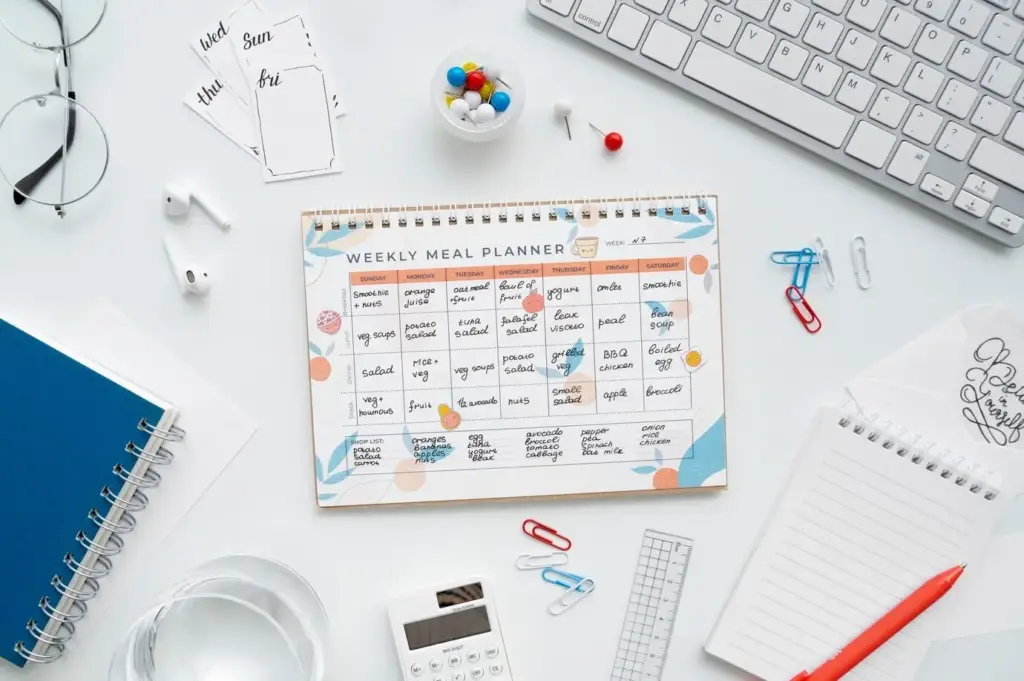
Standardize a rotating meal roster with five dependable dinners and two experimental options each week. Link recipes to a shared grocery list that automatically groups by aisle. Allow voice capture during cooking when someone notices an ingredient running low. Post the week’s menu on the board to reduce decision fatigue and last-minute panics, and invite kids to choose one side dish.
Transparent Decisions and Gentle Escalations
Define thresholds for decisions: who decides daily purchases, who approves scheduling changes, and when to escalate to a quick call. Note outcomes on the board with dates, so context is preserved. This structure prevents repeated debates, preserves goodwill, and makes tradeoffs explicit. Over time, the record becomes a living guide that reduces friction and points to sensible defaults everyone respects.
Secure, Scalable, and Sustainable Over Time
Permissions, Roles, and Privacy

Growing With Changing Seasons of Life
A Weekend Build, Step by Step
Start in Thirty Minutes or Less

Join the Conversation and Share Your Setup


All Rights Reserved.